We are Centrica Energy.


Trading & Services
Is your business in need of energy or looking to sell energy? Let us help you find the best solution.
Green energy
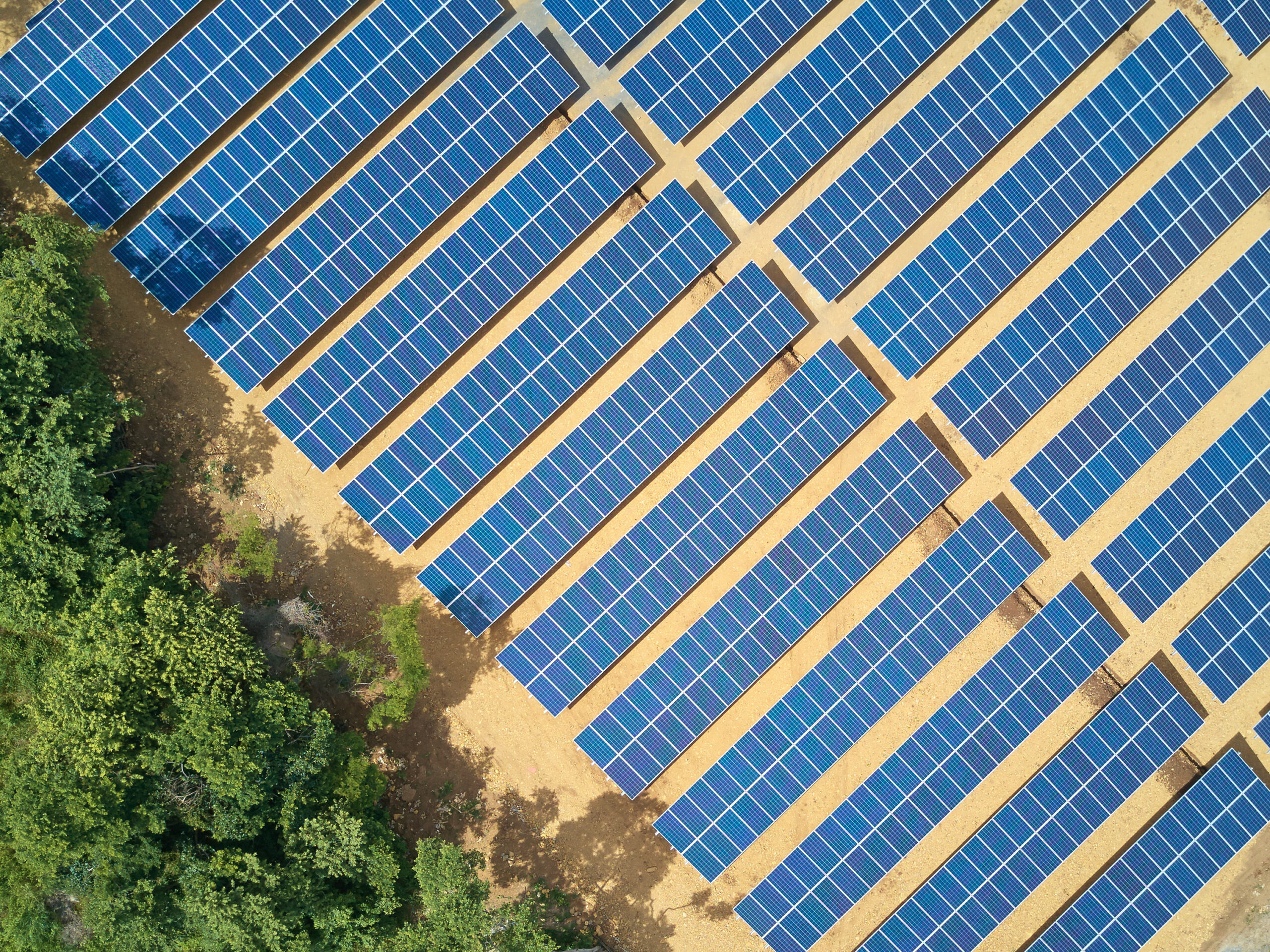
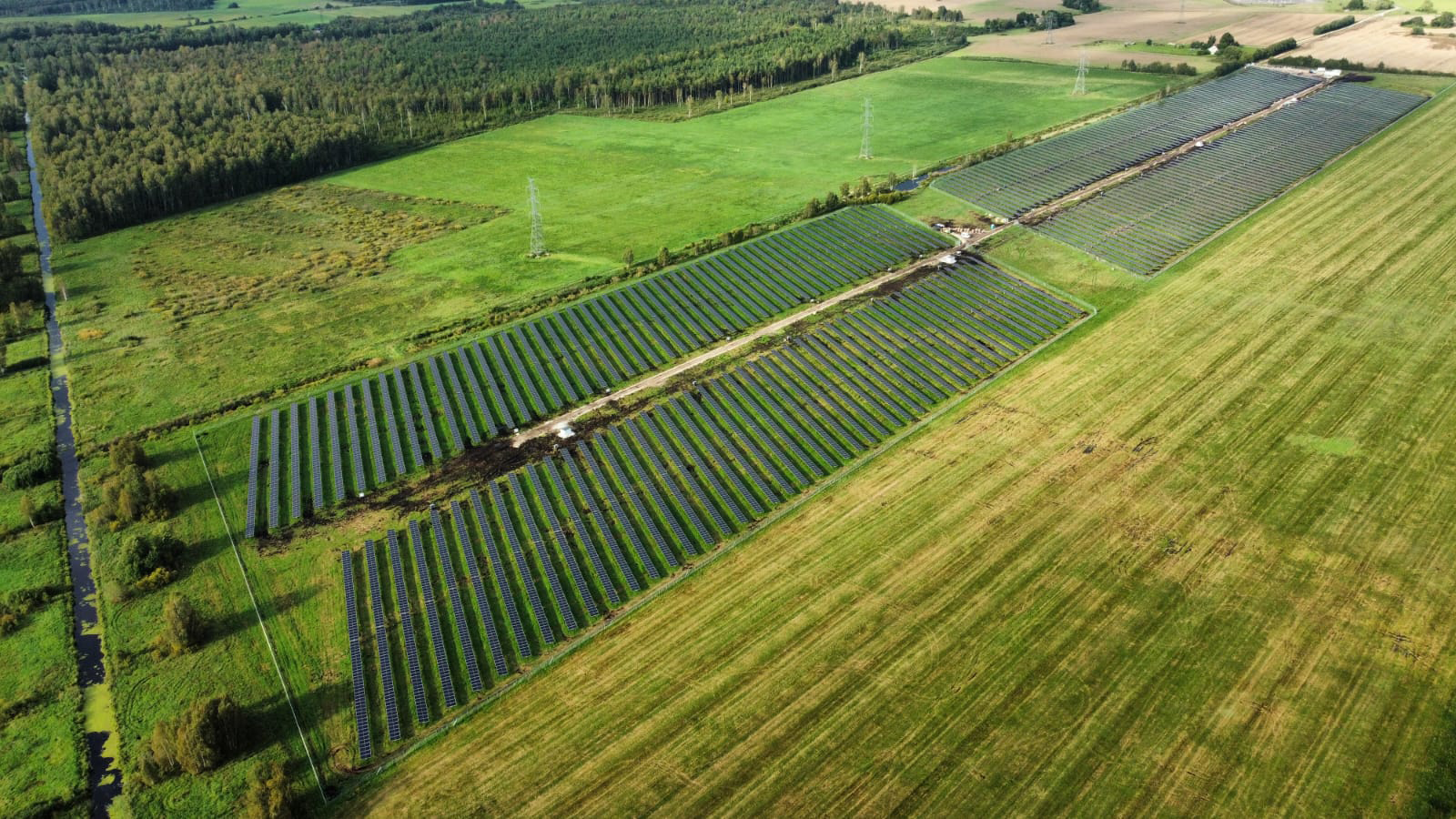
With one of Europe’s largest Renewable energy portfolios, we have specialised in Renewable PPAs and Asset Management for more than 15 years. We provide asset owners with commercial certainty and their preferred balance of risk vs rewards. We match, shape and trade desired green energy production and associated green energy attributes to corporate off-takers at stable costs, with the highest possible degree of transparency.
Energy trading
Our Energy Traders operate in the volatile short-term, day-ahead, and intraday spot markets as well as in forward markets, covering yearly to daily contracts with futures, options, and structured products. Leveraging our extensive quantitative and automated data platform, analytical setup, and market presence across Europe, we capture opportunities and efficiently move energy across grids and borders.
Flexible Solutions
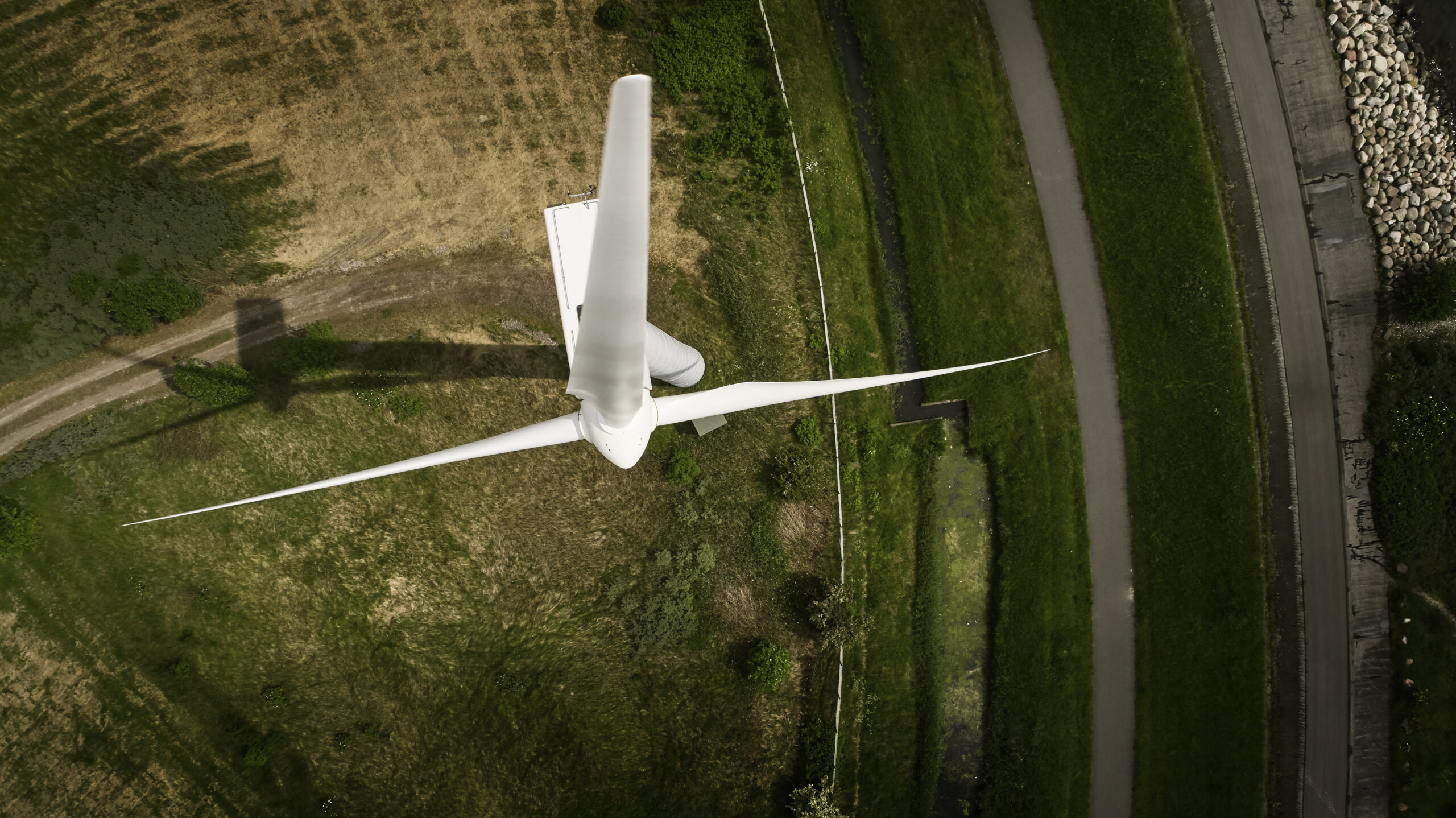
The transition towards a fully renewable power grid will be enabled by flexible electricity generation, flexible optimisation, the marketing of wind and solar energy and the electrification of heat and gasses such as hydrogen and ammonia. Supporting this transition, our market-innovating Flexible Energy Solutions help the power grid handle an increase in renewable energy shares as efficiently as possible and secures commercial viability for flexible asset owners.
Interested in Power-to-X, Energy Storage and more?
Careers

Interested in working in a fast-paced environment with top talents making a global impact on the sustainable future? Check out our open positions today.
Energy Movers by Nature
Centrica Energy is a renewable energy trading company operating out of eight offices across all time zones to move energy from source to use. Our mission is to drive the green transition while offering sustainable and predictable energy costs for energy producers, suppliers and offtakers. In short, we call ourselves energy movers by nature.
Contact
Curious to learn more? Please don’t hesitate to contact us.
We are here to help move energy and the world towards a greener future.
United Kingdom
Denmark
Belgium
Germany
Sweden
Norway
Singapore